 Garanzia del prezzo più basso
 Spedizione gratuita per ordini superiori a $50



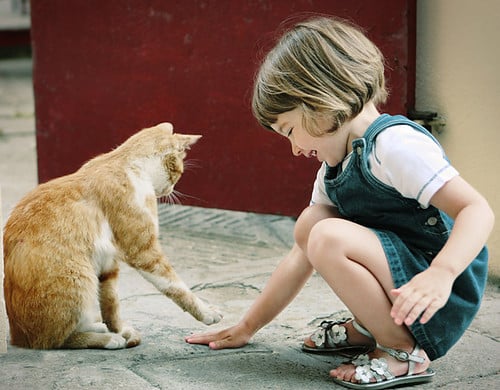
Proprio come i cani, anche i gatti devono essere socializzati fin da piccoli con le persone e, idealmente, con altri gatti e animali domestici, affinché non si sentano stressati o impauriti in loro presenza. La socializzazione dovrebbe includere carezze delicate e la manipolazione dei gattini, e questo renderà anche la toelettatura e i controlli di salute molto più semplici.
Come tutti gli animali, i gatti possono mostrare aggressività se si sentono minacciati, se provano dolore o non stanno bene, se sono gelosi o protettivi nei confronti del cibo e del territorio, e talvolta possono manifestare un comportamento dominante. Più socializzazione hanno ricevuto, maggiore è la varietà di persone e animali con cui hanno interagito e più situazioni hanno sperimentato, minori saranno le probabilità che il vostro gatto reagisca in modo aggressivo o si senta stressato.
La maggior parte dei gatti, indipendentemente dalla razza, può convivere felicemente con altri cani o bambini se ha avuto il tempo di abituarsi. Spesso un gatto e un cane cresciuti insieme diventano buoni amici e non hanno problemi a vivere nella stessa casa.
Sterilizzare il vostro gatto ridurrà anche alcuni comportamenti aggressivi e indesiderati, soprattutto nei maschi, e lo renderà più tranquillo.
Ogni gatto avrà la propria personalità unica, tuttavia esistono anche alcune razze con caratteristiche che le rendono più adatte a condividere una casa.
I gatti con i seguenti temperamenti saranno più adatti a vivere con altri gatti:
- Non territoriale
- Socievole e amichevole
- Tranquillo
- Adattabile
- Non territoriale
- Socievole e amichevole
- Tranquillo
- Adattabile
- Giocherellone
- Attivo
- Robusto
- Intelligente e curioso
- Tollerante ai rumori forti e ai movimenti improvvisi
- Affabile
Con i bambini:
- Non territoriale
- Docile - ama essere preso in braccio e accarezzato
- Socievole e amichevole
- Calmo e paziente
- Adattabile
- Giocherellone
- Attivo
- Robusto
- Intelligente e curioso
- Tollerante ai rumori forti e ai movimenti improvvisi
- Affettuoso e amorevole
- Dolce e bonario
- Alla ricerca di attenzioni
- Leale – crea facilmente un legame con tutti i membri della famiglia
- Attento
- Ama la compagnia
Altre razze note per essere socievoli, calme, intelligenti e giocherellone includono:
Burmese, Ragdoll, Birman, Cymric, Manx, Scottish Fold, British Shorthair, Abyssinian, Singapura, Russian Blue, Oriental, Siamese, Tonkinese, Australian Mist, Burmilla, Moggie
Crediti immagine in evidenza
Commenti(3)
We have a 3 yr old Siamese that we have had since he was 3 mths old. (He was neutered when we got him. WE love him like crazy, but he always cried out after the feral cat and the next door cat left after I feed them outside. So, we got a savannah 4 mt old kitten(female, which we have already had spayed) about 6 weeks ago. We took our time in introducing them (altho they kind of beat us to the punch) It seemed to be going OK but now our Siamese at least once a day seems to be attacking her. They will be fine all day and then all of a sudden we her hissing and yelling and we go running and our other cat has her turned over on her back and is going after throat. We do not know if this is a dominant thing or what. We have our handy dandy water spray bottle. But we feel we are going backwards and since this is the first time we have ever had 2 cats we are not sure what to do. We do not leave them out together while we are gone. Most of the other time they romp thru the house chasing each other and playing on the cat tree we got after we got the kitten. We spend alone time with each of them and time playing with both of them together. The past two nites we braved them in our bedroom with their beds and food and litter box in our bathroom and so far they have been OK> The older cat loves to sleep at the bottom of our bed(which he has not been able to do since we have had the kitten) and the kitten has been sleeping between us or by us and neither of the cats bother each other until they start playing together about 5:30 AM. Anyone have any suggestions? I really feel her bonding with us is being hampered by her always on the lookout for him. Would love some suggestions. Jane and Russ
Whoever sent a comment to my message about our new savannah kitten and our 3 yr old Siamese, I cannot get it so I was wondering if you could send it to my email [email removed]. Thanks Jane
Time for you to back off. You have done all they can. They have been introduced now let them decide their place. If your older cat wanted the kitten dead it would be. Relax, love them both and enjoy it. They are fine.
Lascia un commento